The origins of American oncology began not in a gleaming laboratory, but in a cramped, converted two-story house at 243 East 34th Street. When the New York Skin and Cancer Hospital opened its doors on January 11, 1883, it became the first cancer hospital in the United States and only the second in the world. These modest beginnings met dramatically growing needs: recorded cancer deaths in the city had doubled over the preceding decade, at the same time that the city’s general hospitals almost universally refused to admit cancer patients, owing to the perceived futility of treatment, noxious nature of the symptoms, and irrational fear of cancer’s contagiousness.
A Gilded Age Experiment
Seeing a desperate need, the Gilded Age elite stepped in. Dr. Lucious Duncan Bulkley, scion of American dermatology, alongside architect J. Cleveland Cady, former New York Secretary of State G. Hilton Scribner, real estate investor and author Andrew Mellick Jr., joined with powerhouse donors like J.P. Morgan, John Jay, and the Schermerhorn families, to open a charitable hospital that offered a sliding scale of care—free for the indigent, premium for the private patient. The demand was overwhelming. Within five years, the tiny 29-bed facility had treated over 700 inpatients.
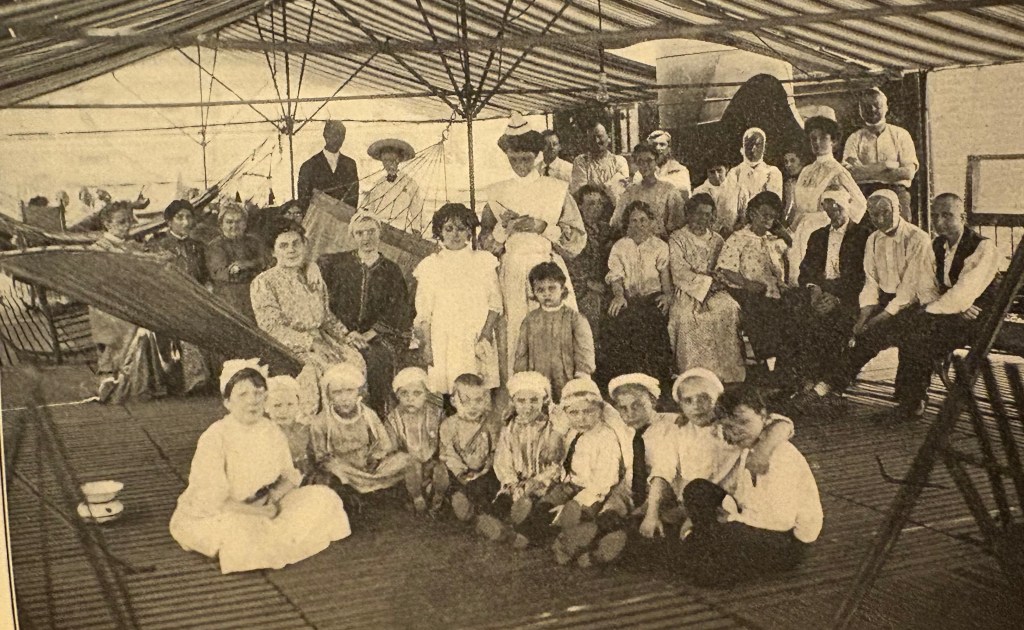
Straining to accommodate the more serious cancer patients it sought to care for, the hospital opened a 16-acre “Country Hospital” at Fordham Heights in 1887 specializing in in-patient chronic cancer care, where doctors could also test out novel medical treatments for cancer on otherwise hopeless cases. The architecture was born of Victorian paranoia (stemming from the real scourge of hospital-acquired infection): patients were housed in cheap wooden pavilions designed to be torched after use. This “burn-to-clean” strategy stemmed from the hospital’s belief, in the words of its President, that “bricks and mortar may become so impregnated with the germs of disease that great harm may result therefrom.”
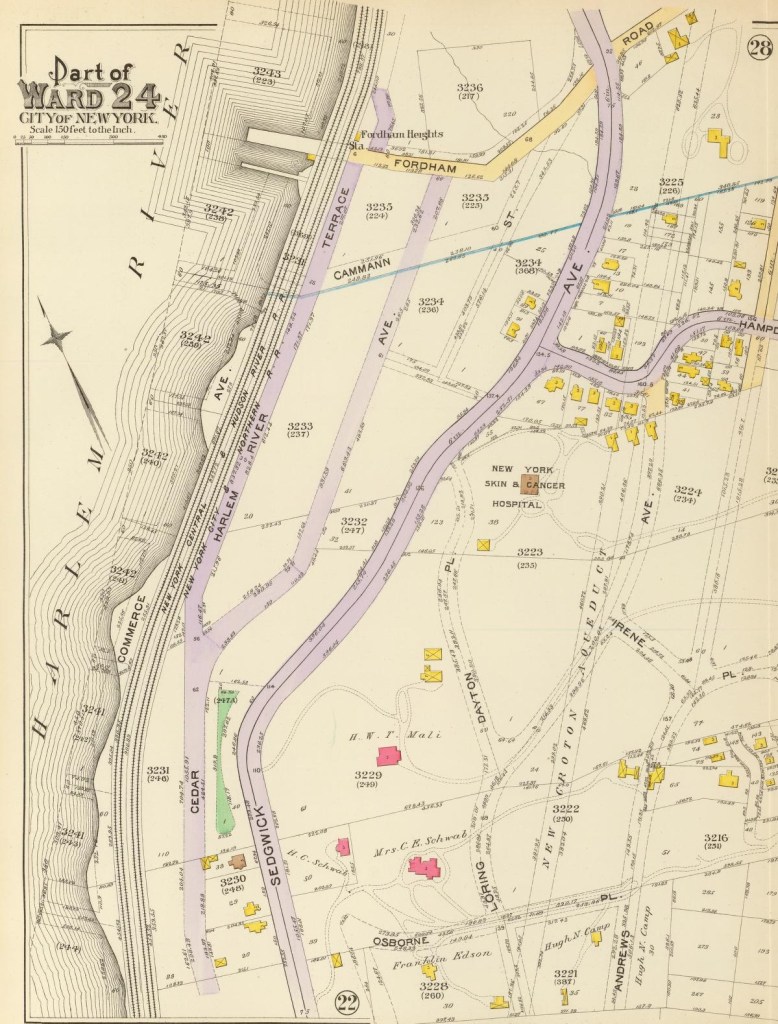
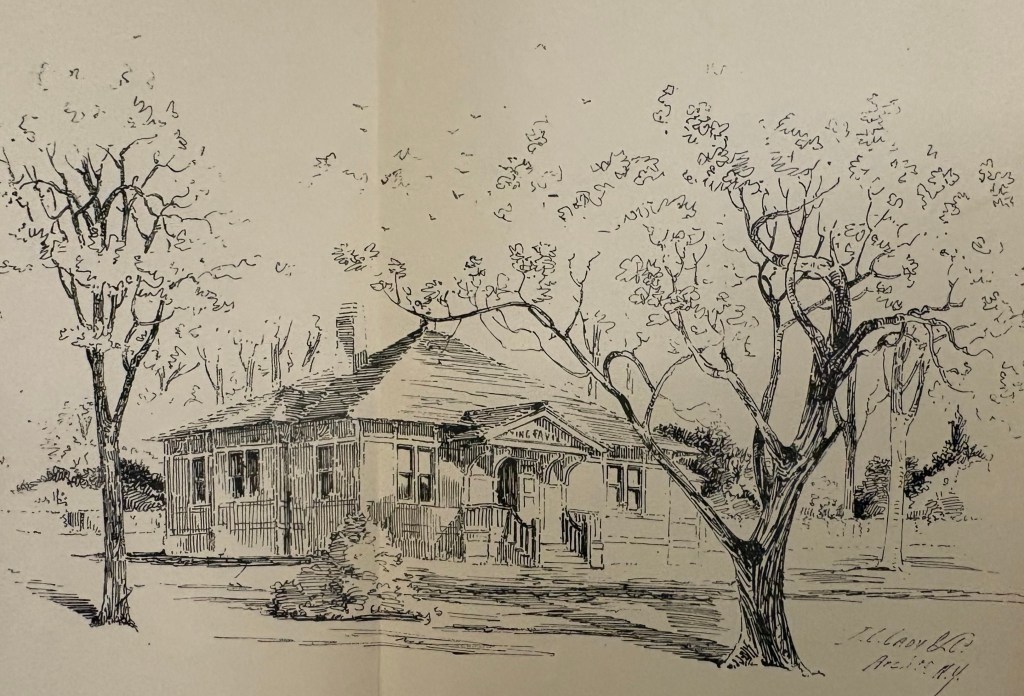
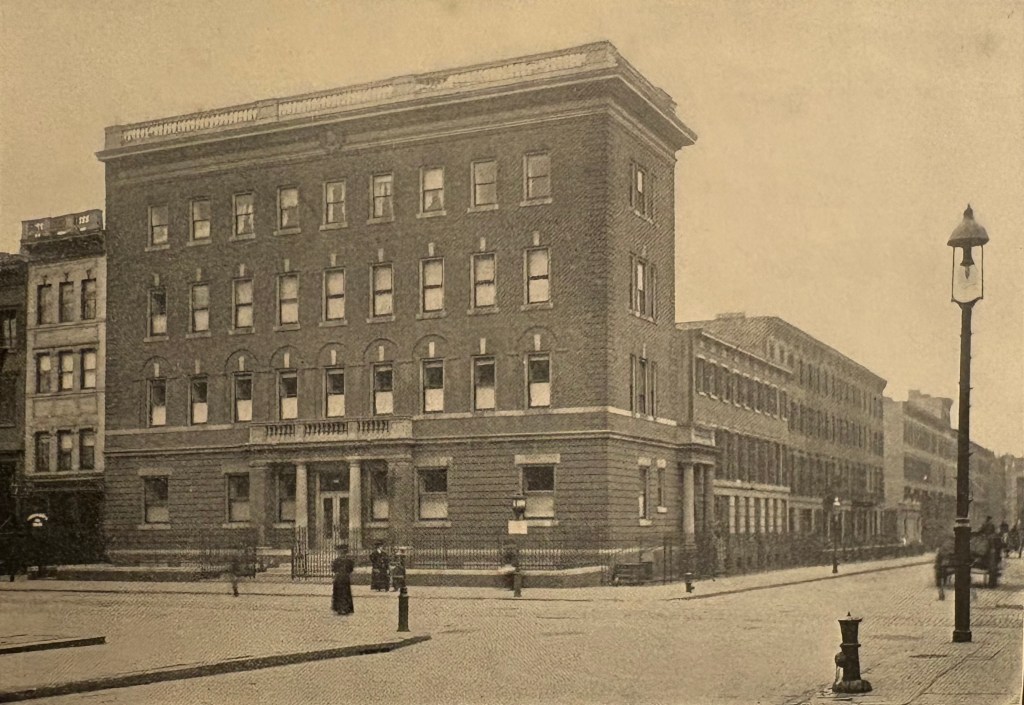
This rural retreat, however, proved to be a disaster. It functioned less like a hospital and more like a leper colony. Isolated from family and ignored by busy city clinicians, patients were essentially ejected from society to die. Less than a decade after opening, the hospital sold the land for a massive profit, relocating in 1898 to a modern facility at 2nd Avenue and 19th Street—the site it would call home until its 1948 merger with the New York Post-Graduate Hospital, a merger that created NYU’s first hospital.
A Radical (and Dangerous) Philosophy
While the rest of the medical world was embracing the “surgical turn”—capitalizing on recent advancements in general anesthesia and antiseptics to perform increasingly radical tumor excisions—the Skin and Cancer Hospital charted a divergent course. Led by the polarizing Dr. Lucious Duncan Bulkley, the hospital prioritized finding a medical cure for cancer over surgical intervention. This approach centered late-stage patients beyond cure by surgical intervention and initiated some of the first, primitive experiments in chemotherapy.
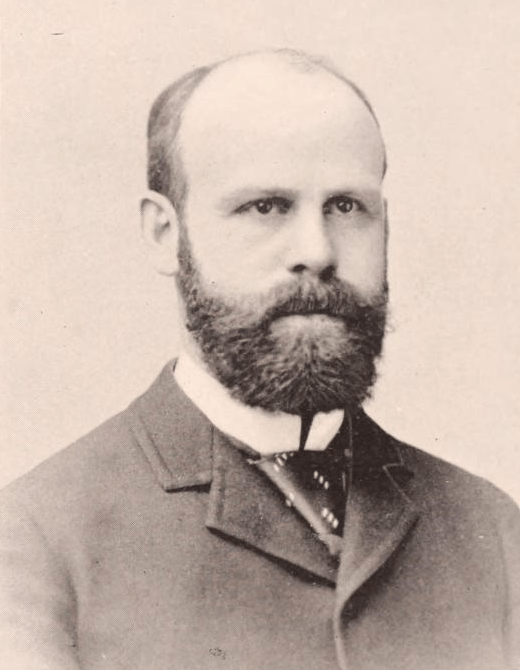
Bulkley, son of Henry Daggett Bulkley, America’s first practicing dermatologist, rejected the period’s growing consensus that cancer begins as a local disease, only later spreading via metastasis. He argued that surgery merely hacked at local symptoms while ignoring the underlying “derange[ments of] the balance of the system” that allowed cancer to recur even after radical surgery. Early in his career, he had pioneered non-surgical treatments for dermatological conditions by focusing on diet, stress, and hygiene. He believed the fledgling field of dermatology, which retained a quasi-humoral focus on internal “derange[ments of] the balance of the system,” could illuminate the ultimate causes and cures of cancer. He lamented that the surgical turn in cancer care had left “little attention […] paid to the medical aspects of this most threatening malady, although voices have been raised from time to time, with more of less force, all joining in the same plea that the basic cause of the disease lies in some derangement in the vital forces of the organism, as influenced largely by diet and mode of life.”
Decentering surgical procedures, doctors in the first decade of the Skin and Cancer Hospital instead experimented with chemical treatments that were themselves often carcinogenic, e.g. turpentine elixirs, pastes made of arsenic, cocaine, and caustic potash, trypsin injections, and the sometimes fatal infection of patients with Strep. While these experiments were a primitive ancestor to 1940s chemotherapy, in the 1880s, they were often catastrophic. Although Bulkley’s belief in the constitutional nature of cancer was initially syncretic with selective local treatments, his beliefs became increasingly fanatical. He asserted that he had cured many cancer cases at the Skin and Cancer Hospital through a stringent low-calorie, low-protein vegetarian diet. Critics noted in the pages of the Journal of the American Medical Association that Bulkley’s wards were filled with “emaciated, living-dead, cancer wrecks.” By 1923, the hospital publicly rebuked Bulkley after he founded a heterodox alternative to the American Cancer Society to counter what he called their “strenuous propaganda” advocating the early surgical removal of cancerous lesions, instead affiliating with figures like Drs. William F Koch and C. Everett Field, who fraudulently peddled snake-oil cancer cures.
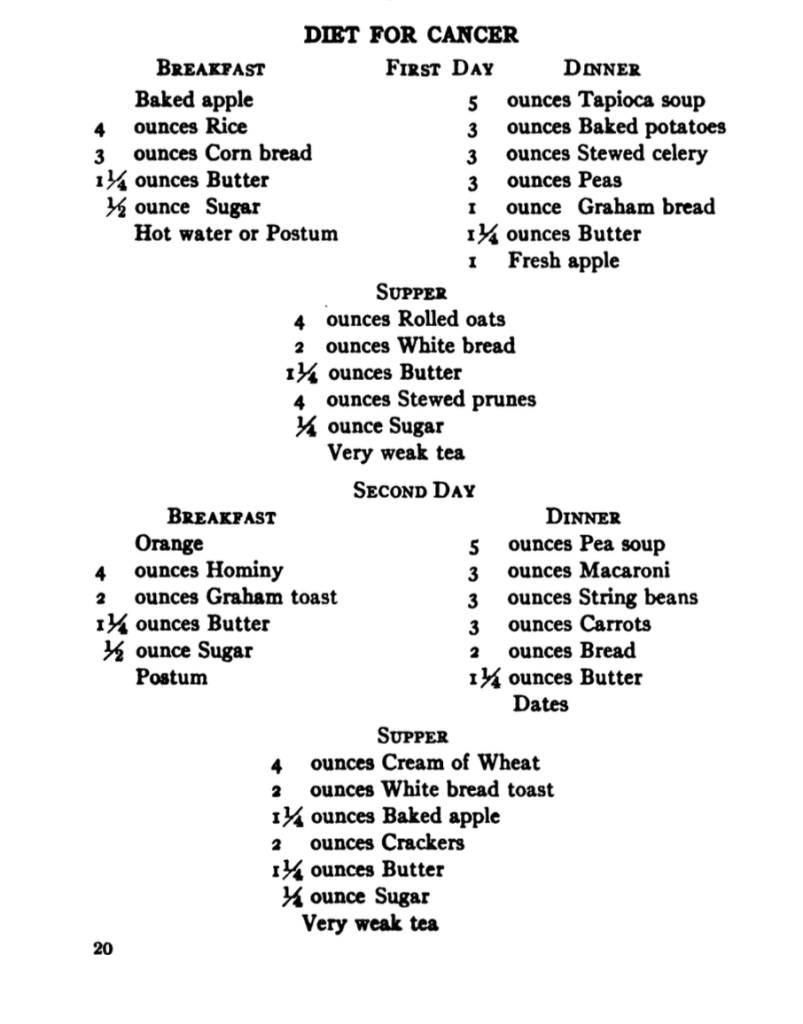
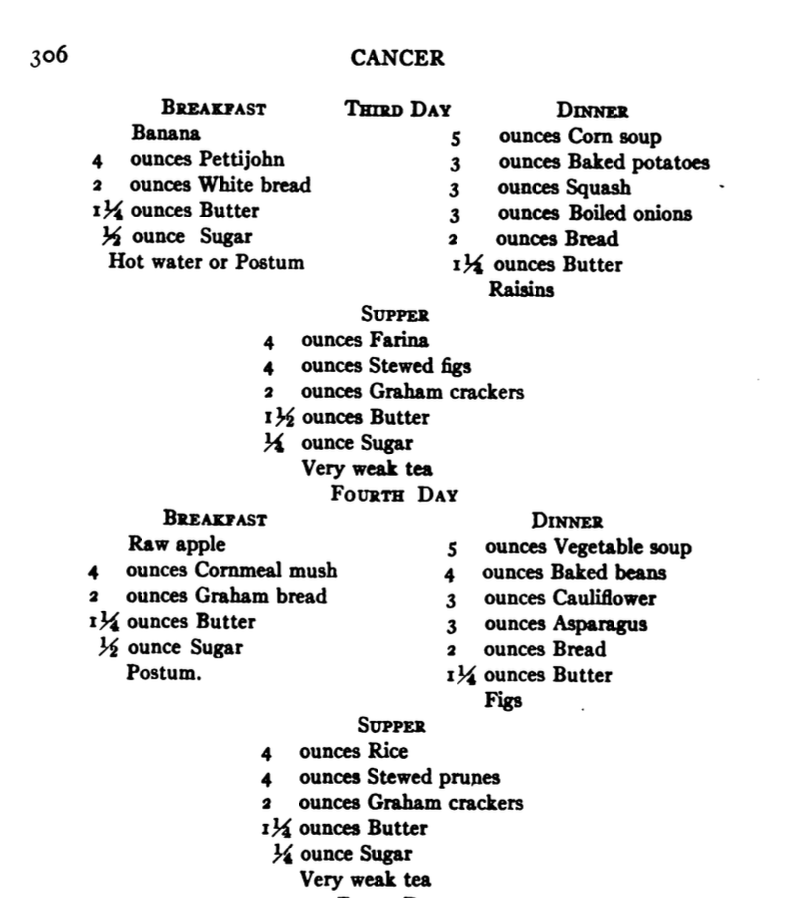
Sample menus from the Bulkley Diet employed at the Skin and Cancer Hospital
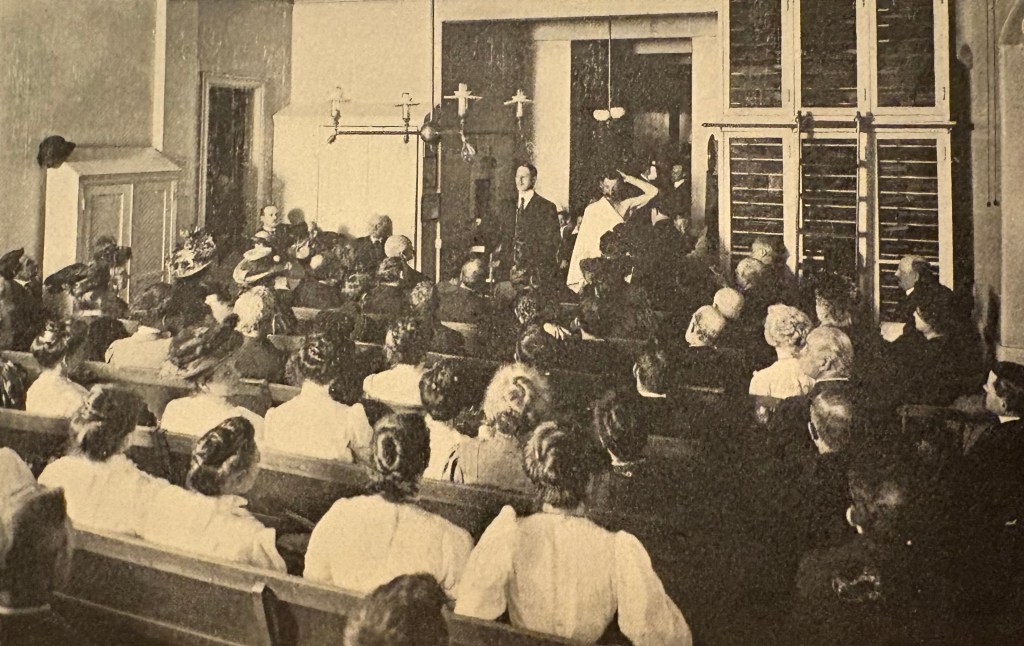
Torn between the mission of advancing dermatological theory and advancing cancer care, the hospital’s identity crisis took a toll on its patients. Cancer was subordinated to dermatology, both in theory and in practice. Cancer patients made up only 15% of the Hospital caseload. Because surgery was de-emphasized, the Hospital operating room was woefully inadequate for the Hospital’s first 15 years. The facility became a strange hybrid: part outpatient clinic, part “Home for Incurables.” Patients were often treated as guinea pigs in exchange for hospice care, leading to high mortality rates—in some early years, nearly a third of cancer patients died while in the Hospital’s care.
The Legacy of a Rivalry
This unorthodox approach didn’t go unnoticed. In 1884, just a year after Skin and Cancer opened, the New York Cancer Hospital was founded by establishment figures who favored surgical and gynaecological approaches to cancer. Behind this rival institution were the heavyweight names of Dr. J. Marion Sims, controversial founder of American gynaecology, and John Jacob Astor III.
As we will see in Part 3, focused on the New York Cancer Hospital, the two institutions represented a fork in the road for American oncology:
- The Skin and Cancer Hospital focused on constitutional “balance” and medical cures (eventually becoming part of NYU’s dermatology department). It emphasized what we now recognize as chemotherapy and preventative care.
- The New York Cancer Hospital focused on early detection, aggressive surgery, and institutional expansion, eventually evolving into the world-renowned Memorial Sloan-Kettering.
 Leland Jasperse, Ph.D.
Leave a comment