Cancer Writing Across Oncology’s Modernization
This project surveys how writers have endured and rendered the self-estrangements of cancer and its treatment (e.g. anhedonia, dissociation, exhaustion, pharmacological entanglements). Its chapters counterpose watershed moments in oncology’s modernization—beginning with the emergence of radiation therapy in the late-19th century and concluding at the end of the Cold War and the height of the “War on Cancer”—with focused readings of (mostly) literary works that refract the intimate and political experiences of authors enduring these simultaneously curative and obliterative medical innovations.
This is the first historical account of cancer to center problems of patient embodiment opened up in the wilds of emergent oncological treatments. I consider Alice James’ cancer diary in relation to invention of the X-ray and radiology, scandals around the (real or threatened) injection of cancer into non-consenting patients during the early days of chemotherapy (e.g. Cornelius P. Rhoads, Chester M. Southam), Rachel Carson’s Silent Spring in relation to the emergence the environmental toxicology, Audre Lorde’s The Cancer Journals in relation to the LGBT and disability rights movements of the 1970s, and Octavia Butler’s Xenogensesis trilogy in relation to the birth of genetic engineering during the “War on Cancer.”
Check out my blog, “Xenogenesis” (after Butler), for examples of my public history writing related to this book project.
A Literary History of Early Asexuality
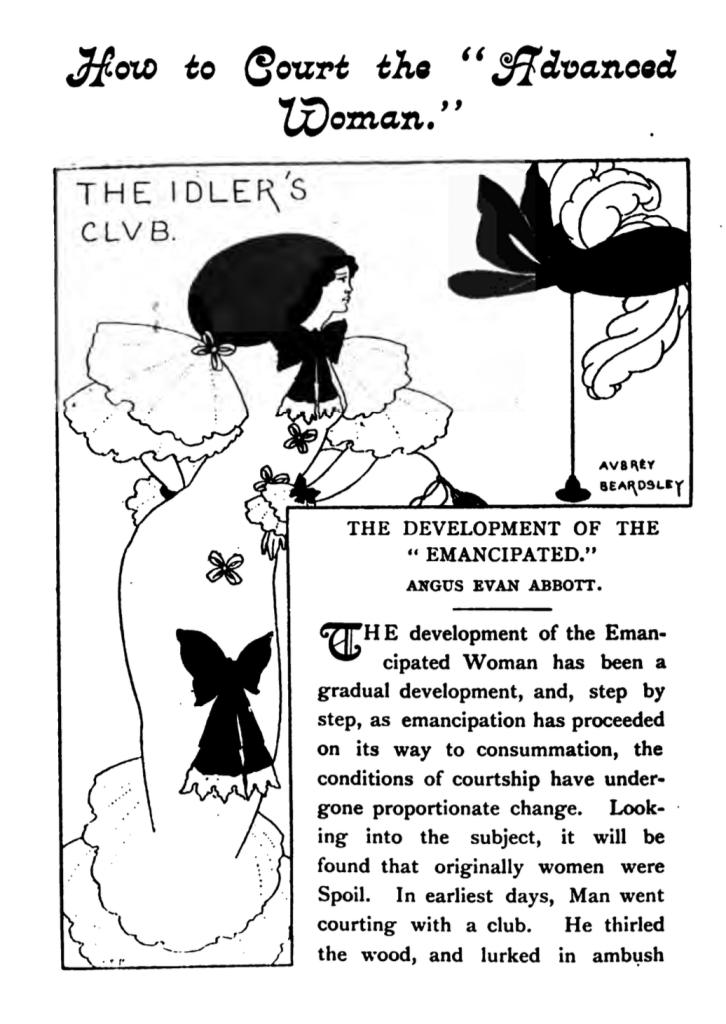
This project explores asexuality’s burgeoning cultural significance in the U.K. (England, Ireland, South Africa) and the U.S. (New England, Harlem Renaissance) from 1860-1930. During this period, often framed as the creation of the hetero/homosexual binary, asexuality emerged as a central, if heretofore overlooked, third term in the invention of sexuality. Rising celibacy rates and declining fertility spurred the creation of new clinical and cultural types devoid of erotic desire (e.g. “desexualized hermaphrodites,” “unsexed epicene automatons,” “nature’s nuns,” “erotic blindness”), fanning anxieties about racial degeneracy, economic stagnation, and gender deviance. As eugenics, psychiatry, and demography evolved, chronic celibacy shifted from a respected mode of self-control to, at best, pathology, and, at worst, a form of race betrayal.
Rather than pathologize asexuality, the literary texts I take up in Insignificant Others inhabit (characterologically, stylistically, and formally) asexuality’s problematic drivelessness, forging a counter-aesthetic to the libidinal ramping up of decadent, modernist, and commercial aesthetics. I examine works by Olive Schreiner, Sarah Orne Jewett, Henry James, George Moore, & Nella Larsen, among others.
 Leland Jasperse, Ph.D.