Peer-Reviewed History & Criticism
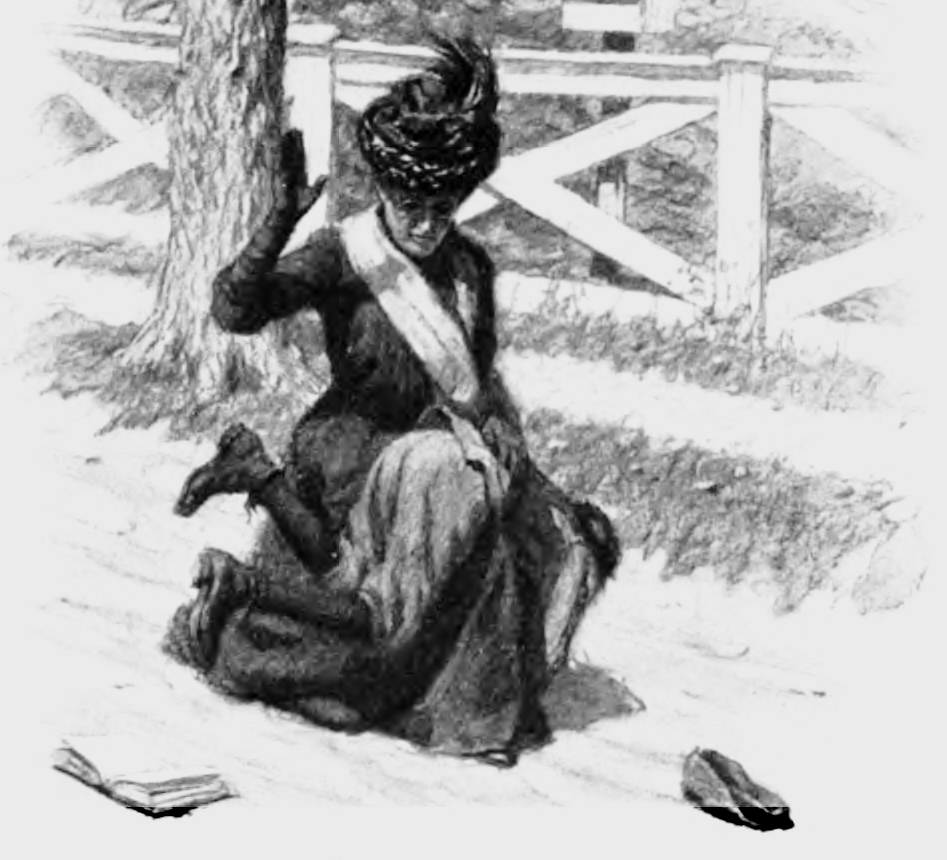
Spinster Regionalism: Asexuality, Genre, and Type in the Shadow of Consumer Desire
American Literature, vol. 97, no. 4 (December 2025)
This article excavates a corpus of experimental asexual writing that emerged against the backdrop of the rise of consumer desire. This genre, which I call “spinster regionalism,” critiqued the period’s literary obsession with sexuality insofar as it subserved the expansion of consumer capitalism, in America and abroad. I draw insights from this early moment of asexual aesthetics to contemporary theories of (a)sexuality and its complicated relationship to queer politics and theory.
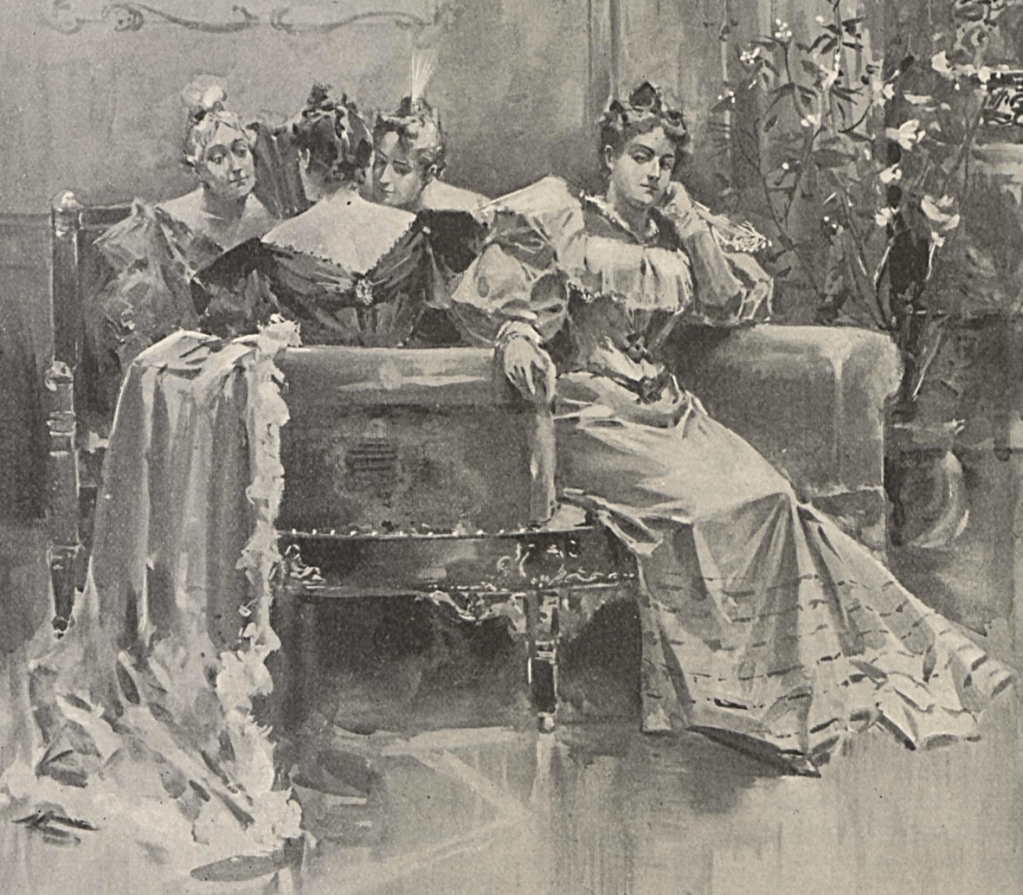
Odd Women, New Women, and the Problem of Erotic Indifference in Late-Victorian Feminism
Signs, vol. 49, no. 2 (Winter 2024)
Anxieties about declining reproduction rates and racial replacement grip contemporary politics. This article returns to the celibacy crisis that roiled England across the end of the 19th century, a crisis that fueled nascent eugenic and sexological power. I revive a now-forgotten cultural type, the Odd Woman, who bore anxieties about declining sexual desire and rising celibacy rates—echoing our own era’s panic about incels, the loneliness epidemic, and chronically online youth. Rather than accede to this panic, however, I suggest we could do well to follow the Odd Woman’s literary proponents, who saw in her proto-asexuality the glimmers of an important political refusal to reproduce the immiseration of her social world.
Public Humanities

Beyond Bias: The Case for an Abolitionist Psychology
Los Angeles Review of Books (January 2021)
Implicit bias training does not curb racism in police departments. And yet the fantasy persists that this is the way to address antiblack police violence.

In Practice: The UChicago Arts Blog
Spotlight on UChicago’s “The Water Project: Research and Cultural Production,” a university-wide initiative led by the Arts, Science + Culture Initiative (ASCI) to unite interdisciplinary work focused on water. Recognizing water as a defining issue of the 21st century—shaping ecology, governance, economics, human rights, and culture—the project brings together scientists, engineers, social scientists, humanists, artists, and community members to amplify and connect existing research and creative efforts across campus.
In Practice: The UChicago Arts Blog
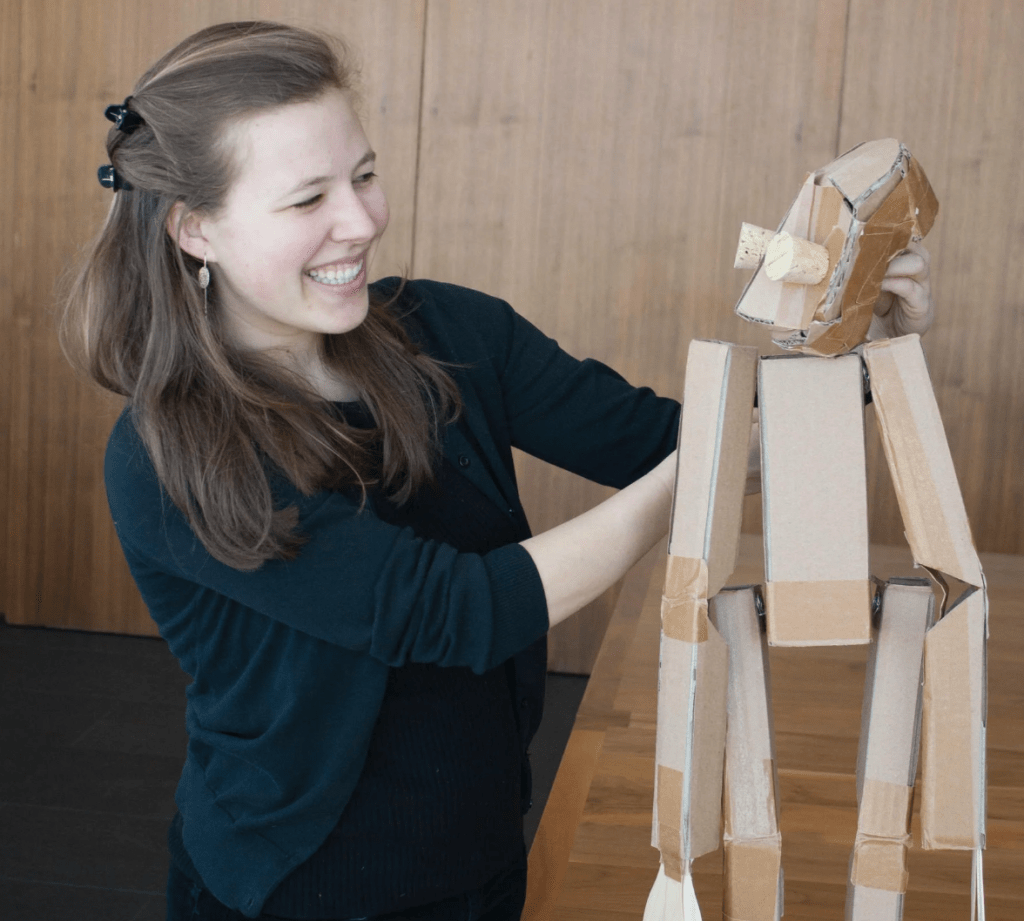
Interview with scholar-practitioner Marissa Fenley, Arts|Science|Culture Initiative fellow at UChicago. We discuss her research into the ways ventriloquism and puppets expose and disturb the ways intimacy becomes codified, institutionalized, and regulated.

Digital Exhibitions: Abuses at Rushville Detention Center; Obstacles to Rehabilitation and Release
Illinois Civil Commitment Archive
An introduction to Illinois’ Involuntary Civil Commitment Program and exhibitions illuminating life inside de facto indefinite incarceration with little independent oversight. Accompanying this is an original Q&A explaining the discredited medical & psychiatric tools employed by civil commitment systems. Co-curated and composed with members of UChicago’s Public History Practicum and the IL Civil Commitment Working Group.
Quantitative & Psychological Research
Behavioral & Brain Sciences (2022)
Clinical & Cognitive Significance of Auditory Processing Deficits in Schizophrenia
Hamilton, Williams, Ventura, Jasperse, Owens, Miller, Subotnik, Nuechterlein, & Yee
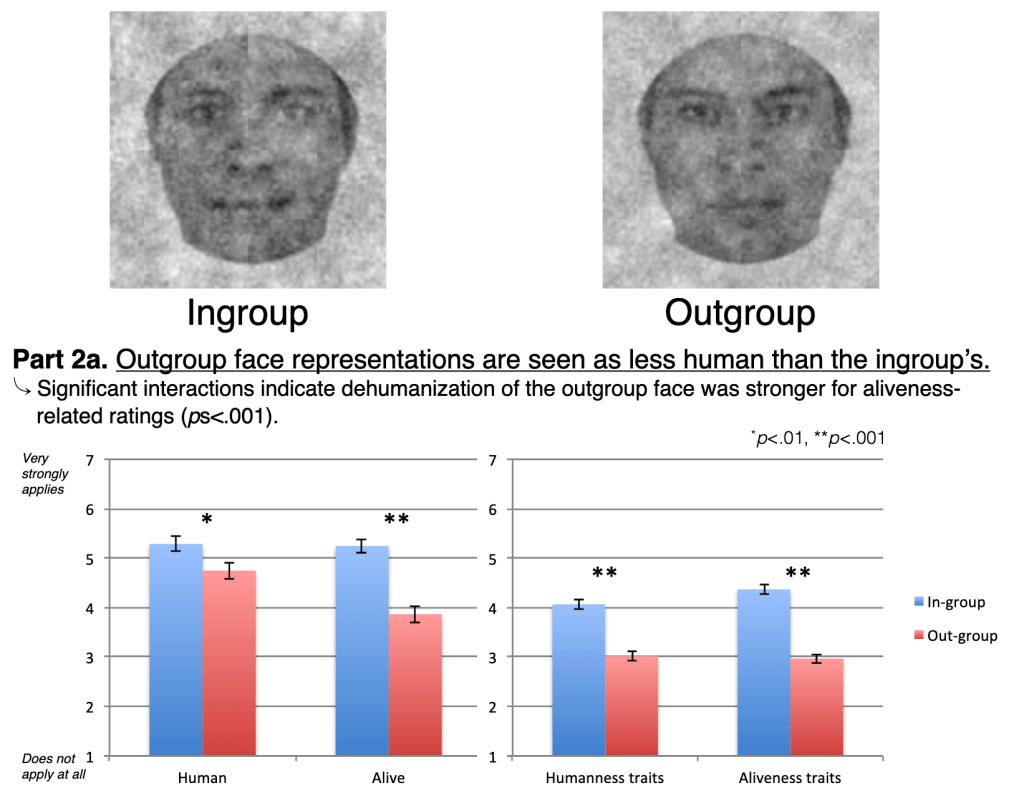
Minimal Group Membership Induces Visual Dehumanization of Outgroup Members
Schmid, Hackel, Jasperse, & Amodio
 Leland Jasperse, Ph.D.