Welcome to my blog, where I will be musing on archival odds and ends encountered in my research on the modernization of oncology beginning in the 1890s. My aim is to incorporate history of science with literary and autobiographical works which provide data on the embodied dimensions of cancer care, so often neglected in scholarship on the history of medicine.
I take my title, Xenogenesis, from Octavia Butler’s strange oncological science fiction trilogy in the 1980s. For Butler, the word represents the inevitability of otherness emerging within our midst, against which xenophobia is an always losing psychic and political defense. Cancer—mutant baffling self/not-self & foreign/autochthonous binaries— embodies xenogenesis in its fearsome and generative potential.
-
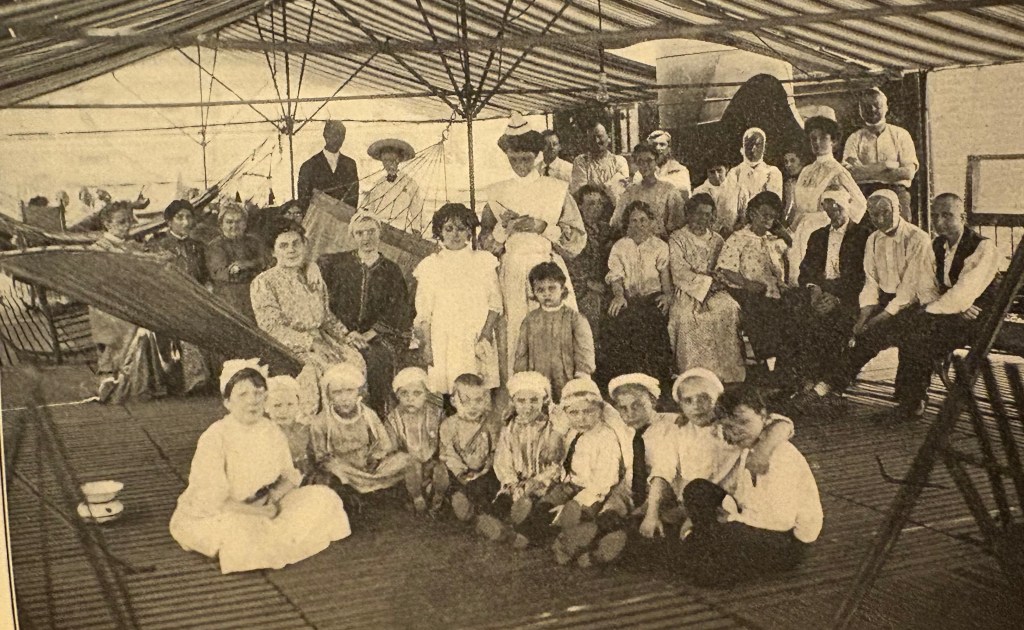
The origins of American oncology began not in a gleaming laboratory, but in a cramped, converted two-story house at 243 East 34th Street. When the New York Skin and Cancer Hospital opened its doors on January 11, 1883, it became the first cancer hospital in the United States and only the second in the world.…
-
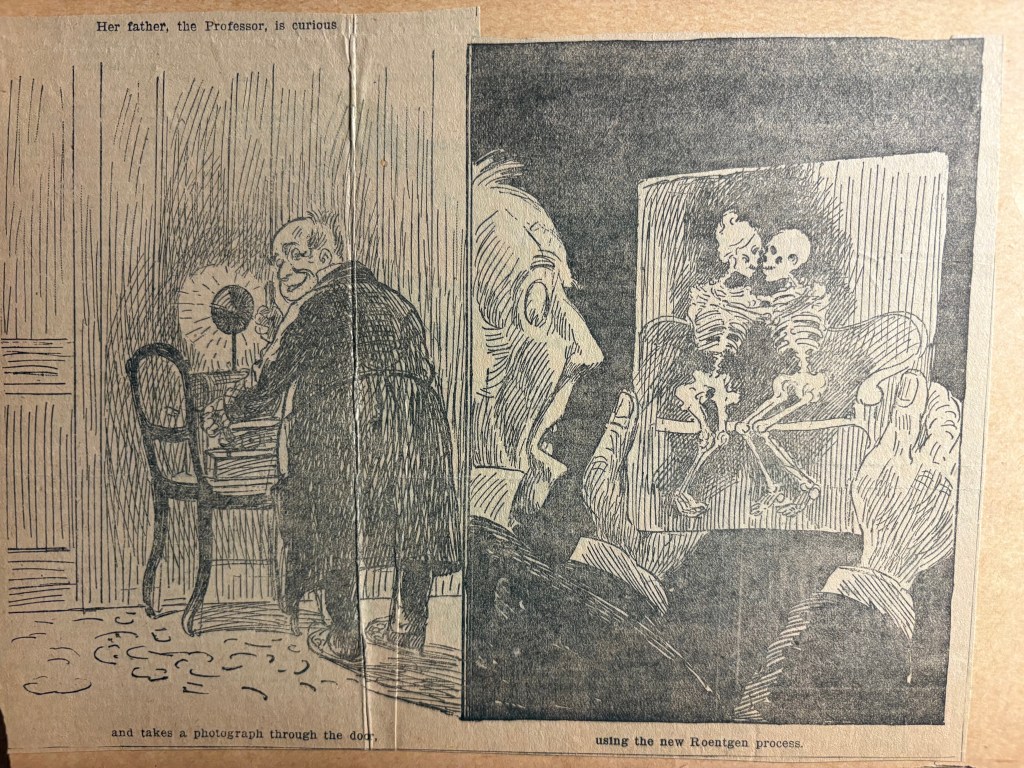
Wilhelm Conrad Röntgen discovered the X-ray in November, 1895. News of the discovery of a novel kind of ray with a mysterious force (“X”) at its core—at once invisible and capable of revealing the invisible—immediately fascinated not just medical men, but grabbed hold of the imagination of the general public. Newspapers abounded in large prints…
-
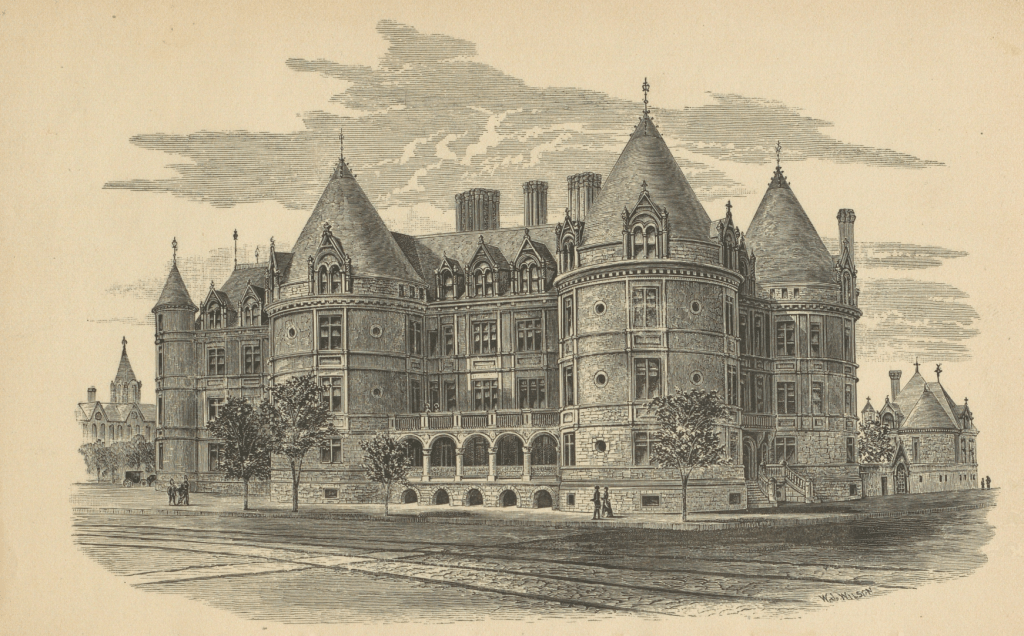
Today, specialized cancer hospitals such as Sloan Kettering and Dana-Farber are a familiar part of the medical landscape. This was not always the case. For much of the 19th century, cancer patients were so heavily stigmatized that most hospitals refused to admit them, even in early or mild cases. Unless they could afford private physicians,…
-
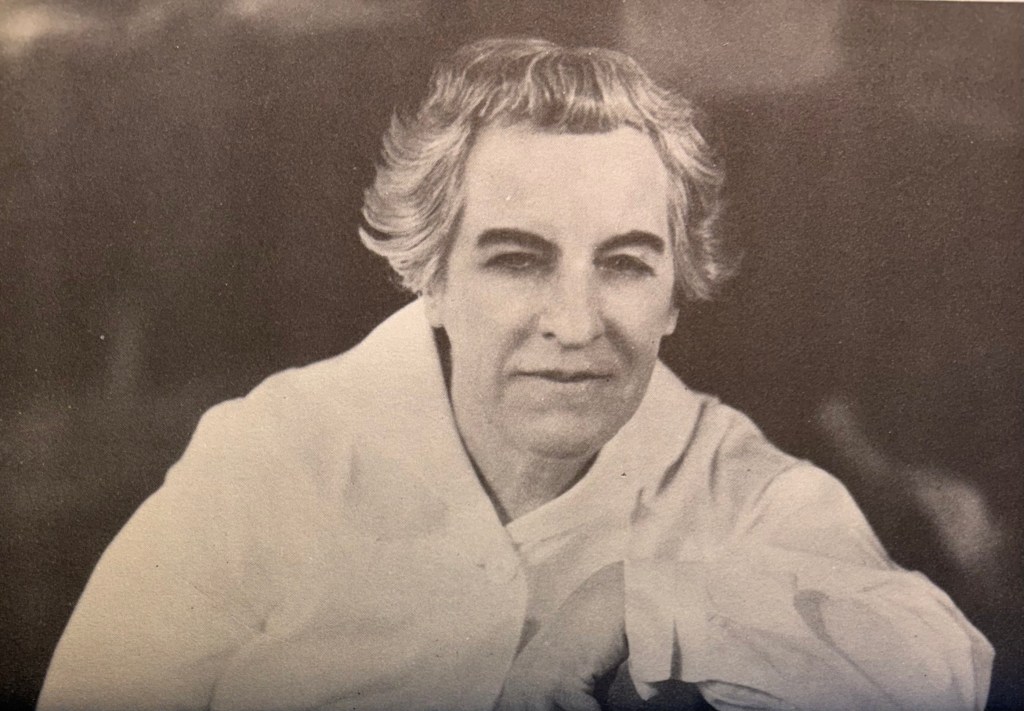
Maud Slye the “Mouse Woman” Maud Slye is a complicated figure in women’s history. She was the first female cancer researcher, and her research was crucial in establishing genetics as a central area of cancer research. She and her cancerous mice were the most visible advocates of the position that genetics underwrite cancer, presciently arguing…
-
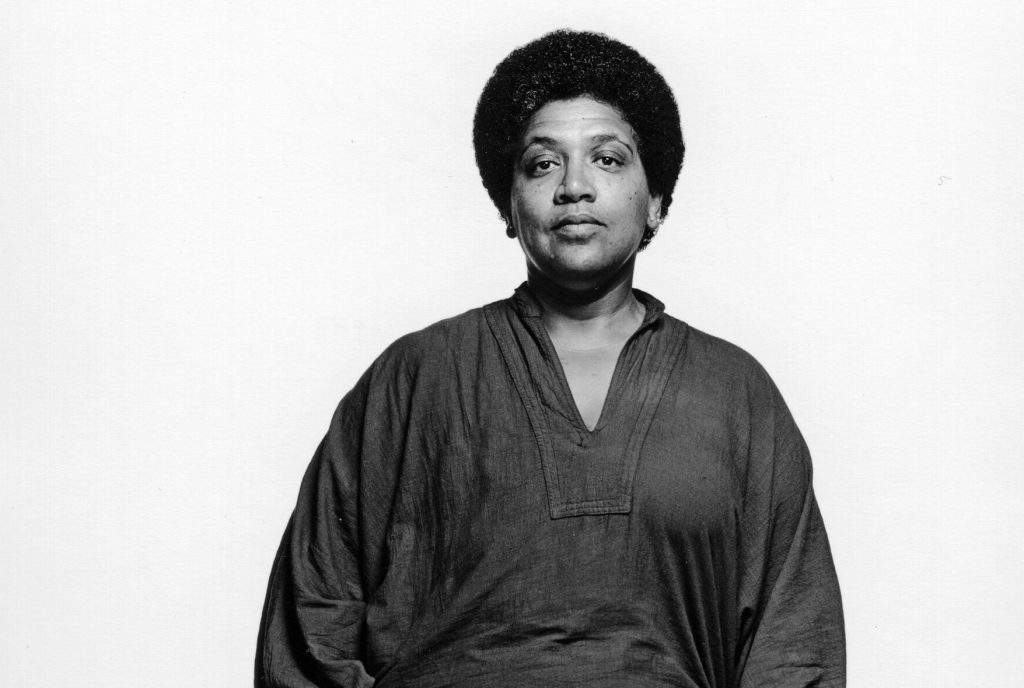
On February 1, 1984, two weeks before her 50th birthday, Audre Lorde’s oncologist informs her that she has liver cancer, metastasized from the breast cancer for which she’d had a mastectomy 6 years earlier, in the autumn of 1978. She had documented her experience receiving a positive diagnosis, opting into, and recovering from her mastectomy…
 Leland Jasperse, Ph.D.